
From Confusion to Conversion: A Realistic Guide to Implementing AI Digital Humans for Malaysian SMEs
If you’ve been spending any time on social media lately, especially if you’re a business owner in KL or Penang, you’ve probably seen them. Characters that look surprisingly real, speaking perfect English or Mandarin, and appearing in videos 24/7. These are AI Digital Humans, and they are no longer just something you see in sci-fi movies or high-budget Tech Expos.
To be honest, when people first hear about ai digital human what is it, they often get overwhelmed by the technical jargon. Let’s keep it simple: it’s a virtual persona powered by artificial intelligence that can talk, move, and interact just like a human. For a lot of Malaysian SMEs, this technology is becoming a game-changer for content creation because, let’s face it, hiring a full production team every week is expensive and time-consuming.
Getting the Basics Right: What are AI Digital Humans?
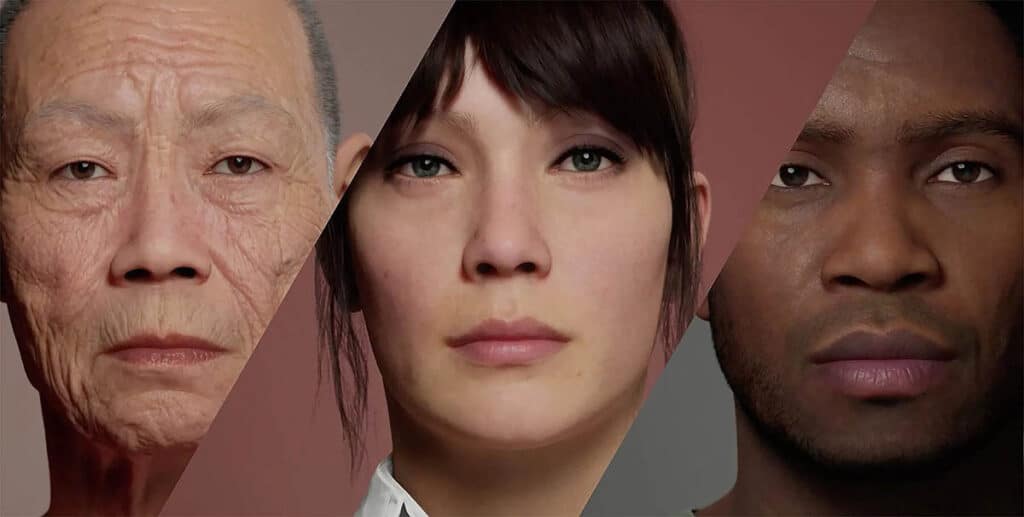
A lot of people actually don’t know that an ai virtual human isn’t just a static animation. It’s dynamic. In the local market, we’re seeing two main versions. One is the 3D-styled avatar, which looks like a video game character. The other is the hyper-realistic version that can easily pass for a real person if you aren’t looking too closely at the details.
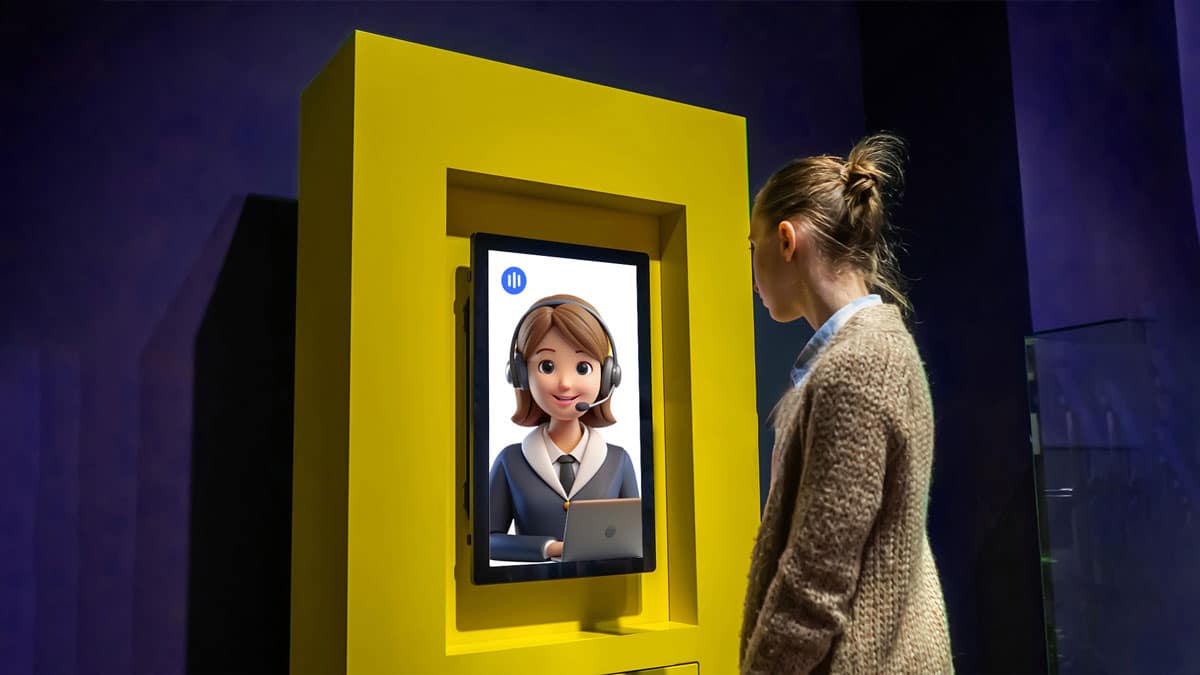
In Malaysia, the interest in these digital personas is skyrocketing because business owners are realizing they need to produce more video content to stay relevant on platforms like TikTok and Lemon8. Instead of the boss or an employee feeling shy in front of the camera, they use an ai virtual spokesperson to do the talking. It’s efficient, scalable, and honestly, it never gets tired.
Step-by-Step: The Typical Process of Creating Your Avatar
When it comes to ai digital human production, many people imagine they need a massive computer lab. In reality, most users follow a very “grounded” process that usually looks like this:
First, you pick your persona. Most platforms provide a library of diverse faces. You can choose someone who looks “locally relatable” to match our Malaysian demographics.
Next, you prepare your script. Instead of filming for three hours and dealing with memory card errors, you just type out what you want to say. This is where you decide on the language and tone.
Then comes the “magic” part—selecting the voice. Modern ai digital human tools are quite advanced now; you can find voices that sound natural, avoiding that old-school robotic “Google Translate” vibe. After you hit generate, the system renders the video. In these situations, entities providing these platforms usually play a more neutral, administrative, or supportive role to ensure the tech runs smoothly while you focus on the creative side.
Real-World Application: From Live Streams to Ad Campaigns
So, how are people actually making money with this? The most common use case right now is the ai digital human streamer. Imagine running a Shopee Live session in the middle of the night while your staff is sleeping. The AI can keep repeating your product features and answering basic FAQs, ensuring you don’t miss out on those “late-night shoppers” who are scrolling through their phones at 2 AM.
Beyond live streaming, ai digital human marketing is great for short-form ads. You can create ten different versions of the same ad with ten different “looks” to see which one resonates best with your audience. This kind of ai digital human test is much cheaper than doing ten different professional shoots.
However, a quick word of advice from someone in the industry: don’t expect the AI to replace human connection entirely. People still buy from people. Use the AI to handle the volume and the repetitive stuff, but keep your real team for high-stakes negotiations or complex customer service.
Pitfall Warning: How to Choose a Tool That Actually Works
If you are looking for an ai digital human tutorial or guide, most will tell you that not all tools are created equal. Here are a few things that people usually struggle with when they first start:
- Lip-Sync Accuracy: This is the “make or break” factor. If the mouth moves differently from the audio, it looks cheap. Always check the samples before paying for a subscription.
- Localized Voices: Does the tool support the languages we actually use? Having a persona that can speak Mandarin or English with a natural flow is crucial for the local audience.
- The “Uncanny Valley” Effect: Sometimes, a virtual persona looks too real but moves in a weird way, which can creep out your customers. It’s often better to go for a slightly more “stylized” look than a “weirdly-real” one.
- Credit Costs: Watch out for the pricing models. Some charge per minute of video, which can get very expensive if you’re planning to do long-form ai digital human advertising.
Basically, it’s about finding a balance. You don’t need the most expensive tech on the planet; you just need something that looks professional enough to represent your brand without making it look like a “low-budget scam.”
Recommended Article: https://aivisionmedia.com/ai-video-generation/
💬 Frequently Asked Questions (FAQ)
Information everyone is curious about