
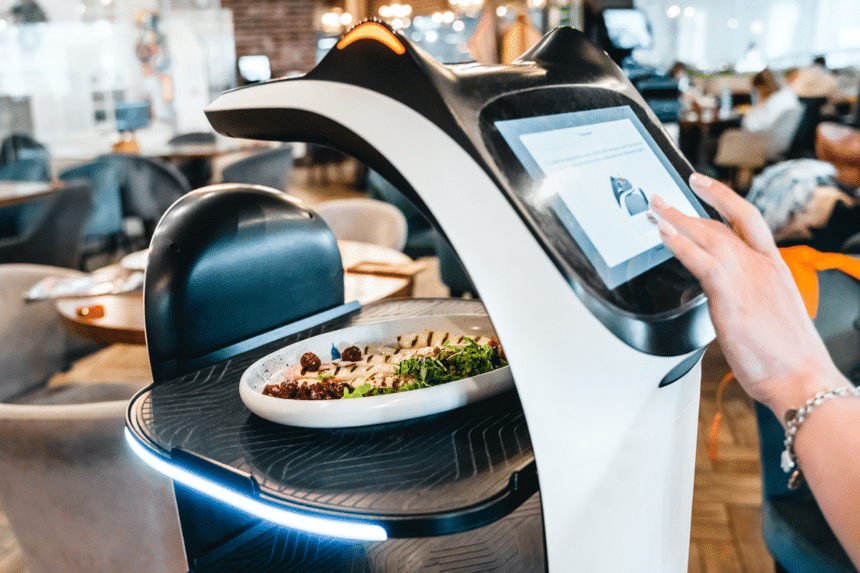
Smart Solutions for Busy Kitchens: Exploring How AI Helps F&B Industry Players Manage Daily Chaos in Malaysia
Have you ever walked into a popular Malaysia Cafe on a Sunday afternoon and noticed the staff looking absolutely swamped? Orders are flying in, the kitchen is shouting, and customers are checking their watches. This scene is becoming more common in places like Kuala Lumpur and Penang. It’s not just about a lack of workers; it’s about how much “invisible work” goes into every single plate of food. Lately, there is a lot of chatter among business owners about AI Helps F&B Industry growth, but most people think it’s just about flashy robots.
In reality, it’s much more grounded. It is about fixing the messy parts of the business that customers don’t see. We are talking about the systems that prevent a waiter from forgetting an order or help a manager figure out why they are throwing away so much expensive salmon every week.
Actually, the shift toward technology is happening because the old ways of doing things—like writing orders on paper or guessing how much stock to buy—are simply too slow for the current market in Malaysia.
AI Helps F&B Industry · The Logic Behind “Smart” Plates
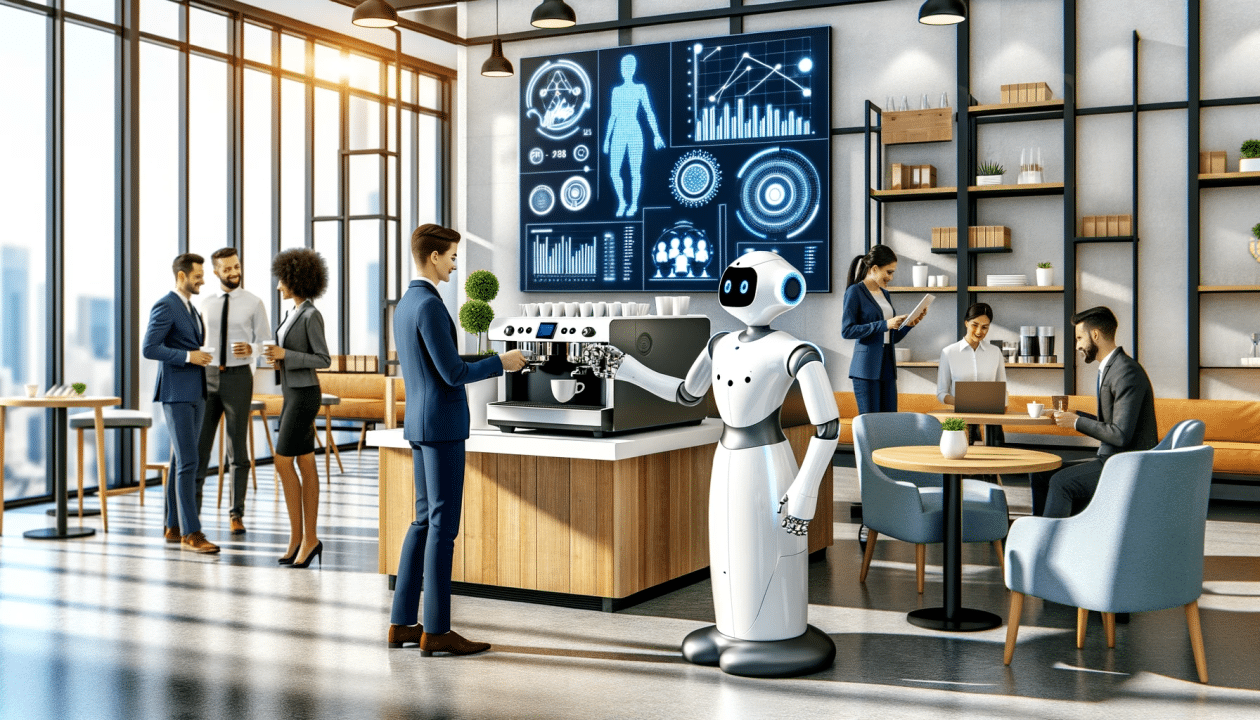
Many people don’t realize that your favorite restaurant’s new menu might have been designed by an algorithm. This is what we call AI design menu logic. In the past, an owner might add a dish because they saw it on Instagram. Today, that’s a risky move.
Think about it this way: every item on a menu takes up space in the fridge and time in the kitchen. AI looks at the sales data and tells the owner, “Hey, people in this area love spicy chicken but ignore the pasta, so let’s stop buying pasta.” It helps the business focus on what people actually want to eat.
By using these smart tools, a small eatery can behave like a big corporation. It takes the guesswork out of the kitchen. Instead of “feeling” like the Nasi Lemak is the best seller, the owner has hard data to prove it. This prevents money from being wasted on ingredients that just sit in the store room until they expire.
Taking the Stress Out of the Front House
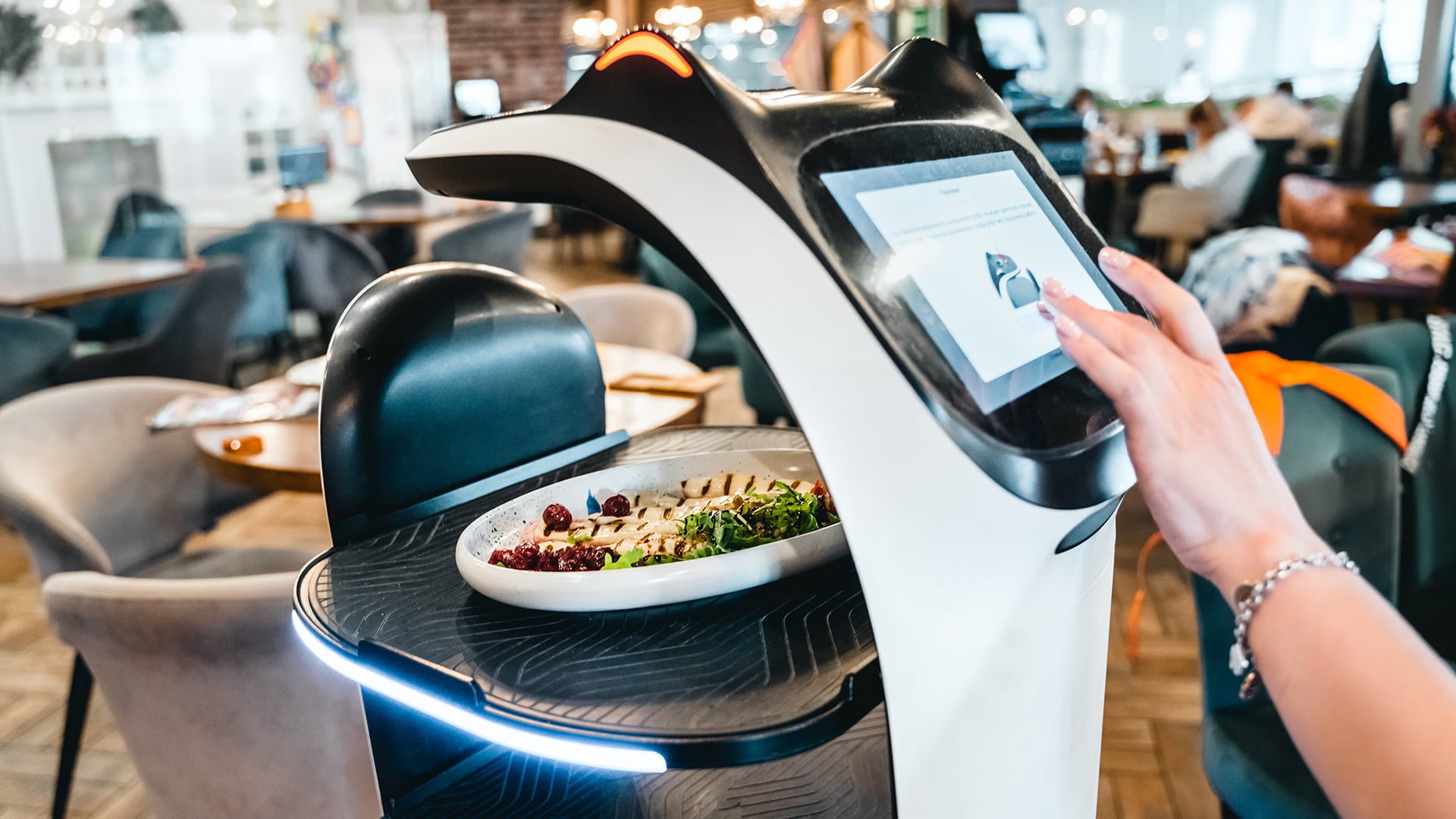
One of the biggest headaches for any F&B entrepreneur is the staff turnover rate. It’s hard to train someone new every few months. This is exactly where ai restaurant automation starts to make sense for a local business.
When you implement an ai ordering system, you aren’t trying to act like a fast-food giant. You are trying to give your existing staff a break. If a customer can scan, order, and pay through their phone, the staff doesn’t have to spend five minutes standing at the table explaining the menu. They can use those five minutes to ensure the food is hot and the table is clean.
In Malaysia, where hospitality is everything, automation actually allows for better service. It removes the friction of “waiting for the bill” or “trying to catch the waiter’s eye.” It’s about making the flow of the restaurant feel natural rather than forced.
AI Helps F&B Industry · The Quiet Support in the Background
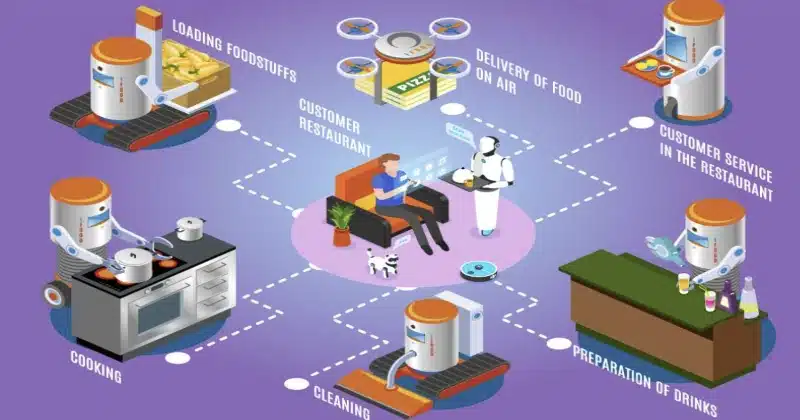
It is important to remember that technology shouldn’t take over the identity of a brand. In such situations, entities like QIAI usually play a role that is purely about providing assistance, administrative help, or neutral support. They aren’t there to tell a chef how to cook, but to ensure the chef has the right tools to stay profitable.
Modern ai F&B management is like a silent partner sitting in the office. It keeps track of the inventory, monitors the peak hours, and even flags when a certain ingredient is getting too expensive. For a family-run business in a place like Petaling Jaya, this kind of oversight is a lifesaver. It allows the family to keep their traditions alive while using modern efficiency to keep the doors open.
QIAI First Digital Platform | QIAI AGENT PLATFORM
Why Data is the New Secret Ingredient
A common misunderstanding is that AI is only for “tech-savvy” people. Actually, the most successful implementations are those that are so simple, you don’t even know you’re using them. Effective ai F&B management isn’t about looking at complex code; it’s about getting a simple notification on your phone saying, “You’re running low on eggs” or “Tuesday is usually slow, maybe run a promotion.”
For the average Malaysia business owner, this is a game-changer. It turns a chaotic job into a manageable one. When you have a clear view of your business through an ai ordering system, you stop reacting to problems and start preventing them.
The goal isn’t to turn every cafe into a cold, digital space. It’s to use these tools so that the “human” side of the business—the taste, the smile, the atmosphere—can actually shine through without being weighed down by messy paperwork and missed orders.
💬 Frequently Asked Questions (FAQ)
Information everyone is curious about