

ASEAN Content Export Localization is a phrase that sounds distinctly modern — tied to streaming platforms, short dramas, and the current wave of Southeast Asian content expansion. But for Dr Kervis, founder of Zocco Group, the underlying lesson behind it isn’t new at all. It’s something he first encountered years earlier, long before content was ever part of his business — back when the product being carried across borders wasn’t a story, but a business opportunity.

Before Content, There Was Product
Long before Zocco Group existed, Dr Kervis built his early career during the direct-selling and social commerce era, a period defined by rapid, multi-region market expansion. Teams and opportunities moved quickly across borders during that time, and success depended on more than simply presenting the same pitch, the same materials, and the same sales script in a different location.
What he learned during that period, according to accounts of his early business experience, was that carrying something — whether a product, a business model, or an opportunity — into a new market was never just a matter of swapping out language. A pitch that resonated with one group of people could fall completely flat with another, not because the words were wrong, but because the underlying assumptions about trust, motivation, and social dynamics didn’t translate at all. What worked in one region’s social fabric didn’t automatically work in another’s, even when the language spoken was the same.
The Real Barrier Was Never the Words
This is the part of the lesson that tends to get lost when people talk about expansion today: the hardest part was never translating the message. It was understanding why people in a different market thought about opportunity, risk, and trust differently — and adjusting the entire approach around that understanding, not just the vocabulary.
That distinction — between changing the language and actually understanding the audience — turned out to be a pattern that repeated itself, market after market, long before “localization” became an industry buzzword. It’s a distinction that, decades later, defines exactly why ASEAN Content Export Localization remains such a difficult problem for content companies to solve today.
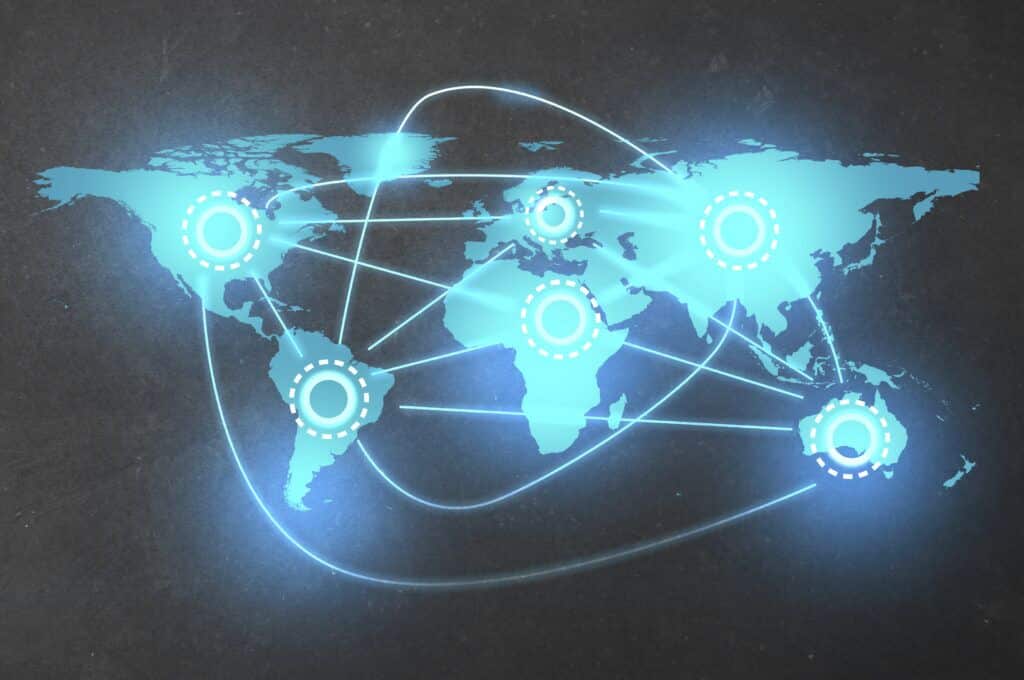
From Multi-Region Expansion to Multi-Market Content
The specifics of the business have changed considerably since those early years — the product being carried across borders today is content, not a direct-selling opportunity. But the underlying challenge hasn’t changed nearly as much as it might seem. Bringing content into a new market still runs into the same fundamental issue: language is only the surface layer of what needs to be adapted. Beneath it sits culture, social context, and the specific way audiences in each market relate to a story, a character, or a message.
This is the backdrop against which Zocco Group’s approach to ASEAN content expansion has taken shape. Rather than treating localization as a translation task to be completed once content production wraps up, the emphasis has been on carrying forward that earlier lesson — that entering a new market means understanding it on its own terms, not assuming that what worked elsewhere will simply transfer over with a language swap.
Why This Lesson Still Matters for Content Export
For companies newly entering the Content Export space in Southeast Asia, this earlier chapter offers a useful, if unglamorous, reminder: the tools have changed, the industry has changed, but the core challenge of cross-border expansion has stayed remarkably consistent. Whether the product is a business opportunity or a piece of content, moving it across a border always demands more than a translated script — it demands genuine engagement with how a different market actually thinks, feels, and decides what to trust.
Dr Kervis’s early experience navigating multi-region market expansion wasn’t originally about content at all. But the instinct it built — that real localization starts where translation ends — turned out to be exactly the instinct needed for the challenge Southeast Asia’s content industry is grappling with today.