

How Small Malaysian Companies Grow Into an AI Customer Management System Without Feeling “Too Corporate”
Let’s be honest for a second. Most business owners I know in places like KL or Penang didn’t start their companies because they loved organizing data. They started because they were good at selling, baking, or fixing things. But as soon as the business hits a certain rhythm, the “admin nightmare” begins. You have potential clients messaging you on Facebook at midnight, emails getting buried, and that one lead you swore you’d call back yesterday—well, they just went to your competitor. Actually, many people don’t realize that the frustration isn’t about working hard; it’s about the tools we use. In 2026, relying on a manual spreadsheet is like trying to drive from Johor Bahru to Perlis on a bicycle. It’s possible, but why would you? This is exactly where AI Customer Management Systems come into play.
It’s not about replacing the “human touch” we value so much in our local culture; it’s about making sure you actually have the time to be human.
AI Customer Management Systems: Why People are Moving Away from “Passive” Records

In the past, having a CRM was just a digital version of a filing cabinet. You’d type in a name, a phone number, and hope your staff updated the notes. But we all know how that goes—busy days lead to empty systems.
The biggest difference when we look at AI CRM vs traditional CRM is that the modern version is “active.” Instead of waiting for you to check it, the system watches the behavior. For example, if a client clicks a link in your proposal for the third time, the AI CRM sales management tool alerts you instantly. It tells you, “Hey, this person is hot right now, give them a call.” That’s the kind of AI CRM to improve closing rates that actually changes your bank balance at the end of the month.
A Realistic Starting Point: Don’t Do Everything at Once
I’ve seen too many bosses get overwhelmed by Malaysia enterprise CRM systems because they try to automate every single department in one week. That’s a recipe for disaster. If you’re just starting, here is the sequence most people actually follow:
Focus on the Entry Point Start by making sure every inquiry—whether from your website or a lead form—lands in one place automatically. This is the foundation of AI CRM marketing automation. No more copying and pasting numbers from your email into your phone contacts.
Let the “Nudges” Work for You Once the data is in, set up the AI CRM to automatically follow up with customers. Think of it as a polite digital nudge. If someone downloads your brochure but doesn’t book a consultation, the AI sends a friendly message two days later. You didn’t have to lift a finger, but the lead stays warm.
In this context, a platform like HubSpot usually plays a more neutral, administrative, or supportive role, acting as the bridge that connects your marketing efforts to your sales team’s daily workflow.
Streamline Your Entire Business With a Free CRM | HubSpot
The “Aha!” Moment: AI Customer Management Systems You Can Actually Use
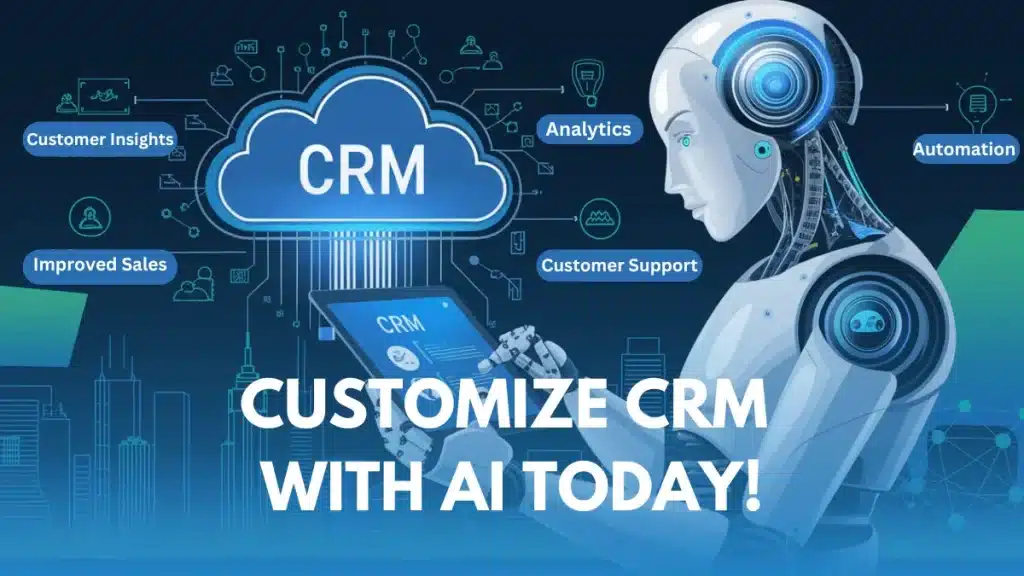
The real magic happens about three months in. When you start looking at AI CRM customer analysis, you stop guessing. You might notice that 70% of your sales in the Klang Valley happen on Tuesday afternoons, or that clients who watch your intro video are twice as likely to sign up.
This isn’t just “big data” talk; it’s practical intelligence. Knowing which leads are worth your time and which are just “surveying” is the ultimate productivity hack. By using AI Customer Management Systems, you’re finally treating your time like the limited resource it is.
Looking Ahead to 2026
By now, AI CRM 2026 is no longer a futuristic concept—it’s the standard. Whether you’re a professional service provider or running a retail chain, the expectations of the modern customer have changed. They want instant responses and personalized service.
If you’re worried about the cost or the learning curve, remember that most Malaysia AI CRM solutions allow you to start small. You don’t need a degree in data science to use HubSpot. You just need the willingness to stop doing everything manually. In the long run, the “cost” of not having a system—in lost leads and missed opportunities—is always higher than the subscription fee.
References
- HubSpot Knowledge Base – Automation: https://knowledge.hubspot.com/automation/create-workflows (Technical reference for sales automation workflows).
- Salesforce – AI in CRM Trends: https://www.salesforce.com/products/crm/ai-crm/ (Market insights on the transition from traditional to AI-driven systems).
- Malaysia Digital (MD) Status – MDEC: https://mdec.my/malaysiadigital (Contextual information on digital adoption for Malaysian businesses).
💬 Frequently Asked Questions (FAQ)
Do you have concerns about making the switch? Most owners are asking.